Med Mentor
Your Health, Your Knowledge, Your Future!

Curious about your health? Doom-scrolling on TikTok, and you can't tell the difference between real and misleading health information? (Same). Welcome to Med Mentor, where we work to make safe and accurate medical information and advice accessible for teens! Here you will find a variety of articles that give you the tools to take control of and manage your health and wellbeing- without the confusion.
Articles
Articles are always rigidly researched using a variety of trusted sources and checked by a medical professional before publication. If you have any feedback, please don't hesitate to contact me using the links below.
Our Mission
As a teen both interested in healthcare and devoted to writing, I noticed that there was a great amount of misinformation, inaccessibility, and general confusion surrounding health information online. As more people turn to the internet to pose questions regarding their health, I wanted to create a blog that provides safe, accurate, and clear information for youth wanting to become more independent and conscious about their personal well being.
Contact Us!
Questions, comments, or ideas for my next article? Please e-mail me at: [email protected]
All About Birth Control
Hi readers! I’m sorry for the disappearance, I got super sick and needed to lock in for finals. Whew. Now that it’s summer, I’m super excited to be posting a ton and being more active on socials. Hope everyone is having a great summer otherwise (yay !!!)
In this article, I wanted to cover the steps to getting birth control. If you’re sexually active, you might already use or have considered different types of birth control. Birth control is anything that can be used to prevent pregnancy- it can come in the forms of medicine or devices- I’ll go over more of that later. If you are having sex and aren’t in a position to risk becoming pregnant, you may want to look into birth control.There are a lot of options out there that work as birth control- they can be called “contraceptives.” PLEASE note that no form of birth control is ever 100% effective. Some are better than others at preventing pregnancy, especially if taken correctly, but there is always a chance they might not work.I understand a lot of forms of birth control can be expensive and hard to get.
Here are some more accessible options, and how to get them:Birth Control Pill:
Birth control pills are medication that is taken by mouth. They have hormones in them that prevent you from getting pregnant. There are two types: combination pills and progestin-only pills. Combination pills have estrogen and progestin (two types of hormones), and are the most common. Progestin only pills only have progestin- these are good if you can’t take estrogen. The morning after pill, often known as “Plan B,” can be taken after you have sex. It’s best to take it up to three days after, but you can also take it up to five days after. It’s a form of emergency birth control, and the longer you wait to take it, the less effective it is at preventing pregnancy.
You can buy these pills at pharmacies with a prescription or a sexual health clinic. You can get a prescription from any doctor or pharmacist. If you have health insurance, you may be able to get birth control pills for free- definitely check to see if you are able to. Of course, this may look a little different depending on where you live: do research!Contraceptive Patch:
A birth control patch is a small patch you wear on your skin. It releases hormones that help you avoid becoming pregnant. These hormones are absorbed by your skin and enter your bloodstream, where they keep ovaries from releasing an egg. You’ll apply the patches weekly onto skin, and you must put the patch on every week on the same date and time as when you put the first patch on. The package will have detailed instructions: make sure you follow these as best as you can. Doing so increases how effective it is at preventing pregnancy. To get a birth control patch, you need a prescription: from a nurse or a doctor, or you can go to a sexual health clinic.Using the patch or taking the pill won’t protect you from contracting STIs (sexually transmitted infections) or HIV (human immunodeficiency virus). You can protect yourself from STIs and HIV by practicing safe sex, using condoms correctly, getting tested and treated for STIs/HIV, and limiting your number of sexual partners. I want to say again that no form of birth control is ever 100% effective- there is always a risk of pregnancy. If you choose to take birth control, always follow the proper instructions.Using Condoms:
Condoms are thin pouches that keep semen from entering the vagina. They can easily be found in drugstores or supermarkets. If you choose to use them, ensure they are not expired, that there are no visible tears or cuts in the latex, and that you follow proper procedure for putting them on and taking them off. They can never be reused. When using, ensure no oil based lubricant has been previously applied because it may mess with the rubber.Additional Support:
Concerns or questions about your sexual health? Youth and Sexual Health Clinics near you can offer safe and needed support and answers to these questions. Things like low cost birth control or STD testing may be given here. You can also talk to any doctor- be it your family doctor or one at a clinic- and ask questions. Don’t be embarrassed. If it helps, come up with what you want to talk about before the appointment so you are better prepared. Don’t know how to book an appointment? Refer to my previous article on this site! If you need to talk to a parent, guardian, mentor, or friend about something concerning you, please do.As always, do your research to make sure this information works for you. Lots can vary depending on your personal situation, where you live, and your own medical history. I hope this helped! Have a wonderful summer and see you soon for the next article.
How does Tylenol Work?
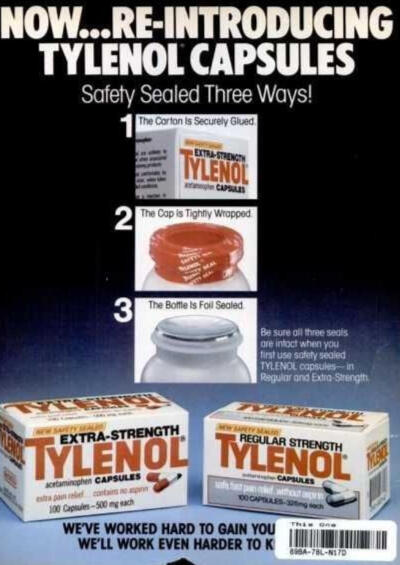
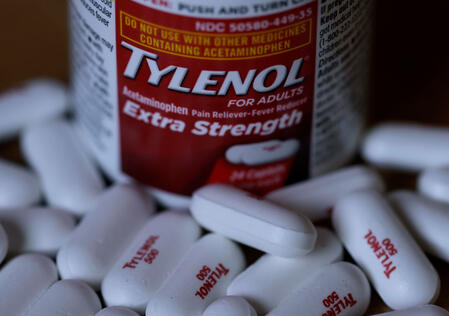
If you’ve ever had a fever, toothache, or muscle aches, you’ve probably taken some Tylenol. It’s pretty wild to think a small capsule can help alleviate pain so quickly! But how does it work?The main active ingredient in Tylenol is a drug called acetaminophen. Acetaminophen is an over the counter medication- you may see it branded as Tylenol or Panadol. It has been around for a long time: in fact, it was first used to treat fever and pain in 1893!Acetaminophen was originally derived from a derivative of coal tar. It was discovered by accident- a researcher investigating treatments for intestinal worms asked for a product to study, but was given the wrong chemical, “acetanilide,” instead. It didn’t have any effect on the worms, but it did lower fever. Acetanilide can have side effects, so acetaminophen was derived from it as a safer alternative.How it works is a bit of a mystery. It can work for many different types of pain, which signals that it works in the central nervous system: this is your body’s control and processing center, consisting of the brain and spinal cord. Its ability to lower fevers also supports the fact it works in the brain, which would allow it to control the mechanism used by the body to elevate temperature. A fever occurs when something like an infection triggers the thermoregulatory center in the hippocampus (think of this like your internal thermostat), to reset your core body temperature above the typical average of 37 degrees celsius.One explanation is that acetaminophen works on the cyclooxygenase enzymes (COX enzymes). These enzymes control inflammatory responses, so targeting these enzymes allow for the treatment of fever, arthritis, and pain. However, this is still just a theory.When you take tylenol, the body first absorbs the medicine from where it was administered into the bloodstream. It acts in the brain to raise your pain threshold (making you feel less pain). The liver breaks down acetaminophen and it is later excreted in your kidneys as urine.
Bleeding Disorders Month Special- All About Bloodwork
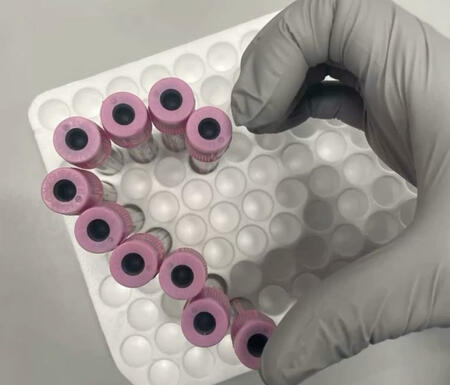
A lot of people I know hate blood tests and needles. I am not a huge fan. Maybe you also dislike them, or maybe you are one of those people who watch the blood through the tube (creepy…) Just joking. As many blood tests as I’ve had, I realized- I didn’t really understand the results or how it worked. It’s one of those things a lot of people just want to get over with as soon as possible. Still, it is good to have a general understanding of what is going on and what to expect if you ever need blood drawn. This post will cover what blood tests are, how they work, common types of blood tests, as well as some helpful anxiety reducing practices. March is also Bleeding Disorders Awareness month, so this topic felt fitting.
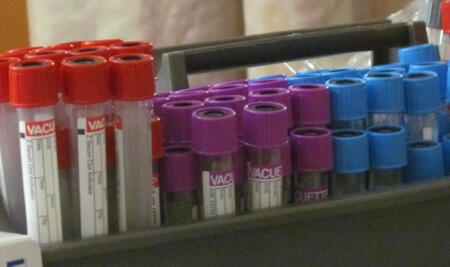
Blood tests are common medical tests. They contain a lot of important information about what is going on within your body!
These tests can focus on different things- some focus on blood cells, others measure minerals, or look at substances in your blood (like electrolytes).
Blood tests show changes in the body. It can show a snapshot of what’s going on, but it can’t quite give the whole picture. More blood tests may have to be issued to determine a closer and clearer analysis.Some types of blood tests include:
Complete Blood Count (CBC): Measures different parts of your blood- like red blood cells, white blood cells, and platelets. This is used pretty commonly for a checkup!
Basic Metabolic Panel (BMP)- Measures chemicals in the blood (glucose, calcium, electrolytes, etc).
Blood clotting tests (Coagulation panel)- can help show if you have a disorder that causes too much bleeding or clotting.
What happens during a blood test?
You will be seated in a chair with an armrest where your arm can be stretched out in front of you. The Phlebotomist (healthcare provider who performs blood tests) will wipe an antiseptic liquid in the bend of your arm and place an elastic band on your arm. Venipuncture is when a blood draw is taken from a vein. This blood is collected via a small needle from a vein in the arm. The blood is then collected into a test tube or vial. Afterwards, they will wrap the area in a bandage. The process should be no longer than five minutes (yay!). Finger prick tests can also be done. The name is pretty self explanatory. A little bit of blood is obtained from a finger prick. There are also arterial blood gas tests, where blood is taken from an artery instead of a vein.
Results from the tests may be visible in a few hours or it could very well take a few days or weeks. The timing depends on a lot of factors, like the type of test or organization. Some healthcare organizations allow you to access results online- check to see if your organization does this. Your provider may also prefer to talk about results over the phone or in person.What can these tests be used for, though?
An allergy blood test checks your blood for increased levels of immunoglobulin E antibodies, which helps detect allergies to things like pollen or pets.
Some blood tests can be used to look for Endocrine system disorders (endocrine system is composed of glands that produce hormones). Blood glucose tests (used to diagnose diabetes), thyroid tests, or pancreas blood tests (check levels of enzymes lipase and amylase). Specialized blood tests can be issued to look at Blood Alcohol Content or ammonia levels in the blood.What if you’re anxious about getting blood drawn?Lots of people feel the same way- don’t worry. The first time I got blood drawn I was full on sobbing. That level of anxiety is not necessary- blood tests are relatively fast and not super painful. Using these tips can help make your experience less stressful.
If it is the pain you’re worried about, I can’t say blood tests are totally painless. But they’re not super painful either. They may sting or hurt a little, but it’s over quite quickly. It can hurt more if the phlebotomist has trouble inserting the needle in your vein- PLEASE let them know if it’s hurting you! They can try different techniques.
It can help to close your eyes or look away from the needle while blood is being drawn.
Try focusing your attention on anything else- hold something in your free hand (squishy, phone, etc), take deep breaths, sing a song in your head, or count to 10.
It can also help to bring along a friend or family member for moral support.
Shorter post today but more will be coming out soon :) Cool to see how far this blog has come.
As always, thanks for reading. Email me if you have any questions or feedback about my work or sources used!